 EN
EN
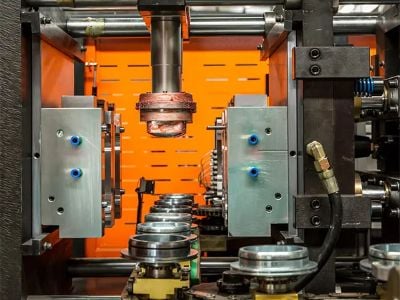
When using PET blow molding equipment, you might run into some common problems. These machines are important for making plastic bottles and containers, and when they don’t work right, it can slow down production. At Eceng, we know how crucial it is to keep these machines running smoothly. This article will help you understand what to look for when things go wrong and how to identify the most common issues in pet blow molding machine price. With a little bit of knowledge, you can troubleshoot problems quickly and keep your production line moving.
In the world of PET blow molding, knowing what to look for is key.
First, always pay attention to the machine’s performance. If you notice slower cycle times or inconsistent bottle shapes, these may be signs of trouble. Check for any unusual noises, like grinding or squeaking, as these sounds can indicate a mechanical issue. Also, keep an eye on the temperature readings. If the machine isn’t heating or cooling properly, it can cause defects in the bottles. Look for any leaks around the machine, especially near the mold area. Leaks can lead to wasted material and reduce efficiency. Lastly, don’t forget to check the quality of the PET resin you are using. Poor-quality resin can cause problems during the molding process. By being attentive to these details, you can catch issues early and avoid bigger problems down the line.
Identifying common issues in PET blow molding machines can be tricky, but there are some clear signs to watch for. Start by examining the finished products. If you notice bubbles in the bottles or uneven walls, this could mean that the machine is not functioning correctly. Another sign is if the machine stops frequently or requires constant adjustments. This could point to mechanical wear or issues with the control system. Pay attention to the air pressure as well. If it drops suddenly, it might affect the molding process and lead to defects. Checking the hydraulic system is also important. Low oil levels or dirty oil can cause the machine to work less efficiently or even break down. The cooling system should be monitored too; if the cooling water is not circulating properly, it can lead to overheating and damage to the machine. At Eceng, we emphasize regular maintenance and quick checks to keep everything running smoothly. By staying on top of these common issues, you can ensure that your PET blow molding equipment stays in good condition and produces high-quality products.
What Are the Most Frequent Problems in PET Blow Molding?
PET blow molding is a process used to make plastic bottles and containers. While this process is helpful, it can sometimes have problems. Understanding these common faults can help us solve them faster. One frequent issue is uneven bottle thickness. Sometimes, bottles may be thicker in some areas and thinner in others. This can happen if the machine is not set up correctly or if the PET material is not heated evenly. Another common problem is air bubbles in the bottles. These bubbles can make the bottles weak and not look nice. Air bubbles can form if the PET is not melted properly or if there is moisture in the material. This is something we should always check before starting the semi automatic pet blow molding machine process.
Another issue is a short shot, which happens when the bottle is not filled completely. This can occur if the injection pressure is too low or if the material flow is blocked. A short shot means the bottle will not be strong enough and may break easily. Additionally, there can be problems with the machine itself, such as clogs or mechanical failures. If the machine is not maintained well, it may not work as it should. This can lead to production delays and extra costs. Lastly, we might see issues with the final product, like poor surface quality. This could be due to improper cooling or not enough time in the mold. Each of these problems can slow down production and lead to waste, so it's important to understand them.
How to Troubleshoot PET Blow Molding Equipment Quickly and Effectively?
Troubleshooting PET blow molding equipment is important to keep production running smoothly. If you notice a problem like uneven bottles or air bubbles, the first step is to check the machine settings. Make sure the temperature is set correctly for the PET material. If the temperature is too low, the plastic won’t melt properly, leading to issues. Next, check the injection pressure. If it’s too low, it can cause short shots. Adjusting this pressure can help fill the bottles completely. Also, make sure the PET material is dry. Wet material can create air bubbles, so using a dryer before molding is a good idea.
After checking settings, look at the machine for any clogs or blockages. Sometimes, small pieces of plastic can get stuck in the system. If you find any, carefully clean them out to ensure smooth operation. Regular maintenance is also key. Make a schedule to check and clean the machine parts, which can help prevent future problems. If the machine has a mechanical failure, consult the manual or call a technician from Eceng. They can help fix serious issues that you might not be able to solve on your own.
Finally, observe the bottles as they come out of the machine. If you see any defects, such as poor surface quality, adjust the cooling time or mold temperature. Making small changes can often fix big problems. By being careful and checking the machine often, we can solve issues quickly and keep making great products.
How to Avoid Them?
Preventing problems in the PET blow molding process is better than fixing them later. One of the best ways to avoid faults is through proper training. Make sure everyone who works with the machines understands how they work. They should know how to set the temperatures, check the materials, and recognize when something is wrong. Regular training helps everyone stay sharp and ready to handle any issues.
Another way to avoid problems is to use high-quality PET materials. Sometimes, cheaper materials can cause more problems, like air bubbles or uneven thickness. Always choose materials that are suitable for blow molding. If you’re not sure, ask the experts at Eceng for advice. They can guide you in choosing the right materials for your needs.
Regular maintenance is also crucial. Create a maintenance schedule for the blow molding machines. This schedule should include cleaning, checking for wear and tear, and replacing any parts that are getting old. By taking care of the machines, we can prevent many issues before they start.
Lastly, monitor the whole process closely. Keeping an eye on how the machines are running can help you catch any small problems before they grow into big ones. Use quality control checks to examine the bottles as they come off the line. If you spot a defect, fix it right away. This way, we can ensure that every bottle made is strong and meets quality standards. By being proactive and careful, we can make the semi automatic pet blow molding machine price process efficient and successful.